Solana Institutional Infrastructure in APAC: Insights from Consensus HK 2026 and Solana Accelerate
TL;DR
- Solana Accelerate APAC signaled a structural shift from application growth to execution infrastructure.
- RWA, crypto payments, and AI × Web3 are increasing transaction velocity, making infrastructure resilience mission critical.
- Institutional participation is moving from exploration to implementation, with stronger focus on compliance, determinism, and operational reliability.
- Securities firms and institutional operators are actively seeking reliable, compliance aligned Web3 infrastructure partners to support production deployment.
- Nodit operates institutionally structured infrastructure in APAC, backed by Dunamu and SOC 2 Type II certified that ensuring alignment with evolving institutional standards.
- Nodit became the first APAC integrator on the DoubleZero Network, strengthening transport layer consistency for Solana RPC infrastructure.
Infrastructure, Capital Markets & Institutional Readiness
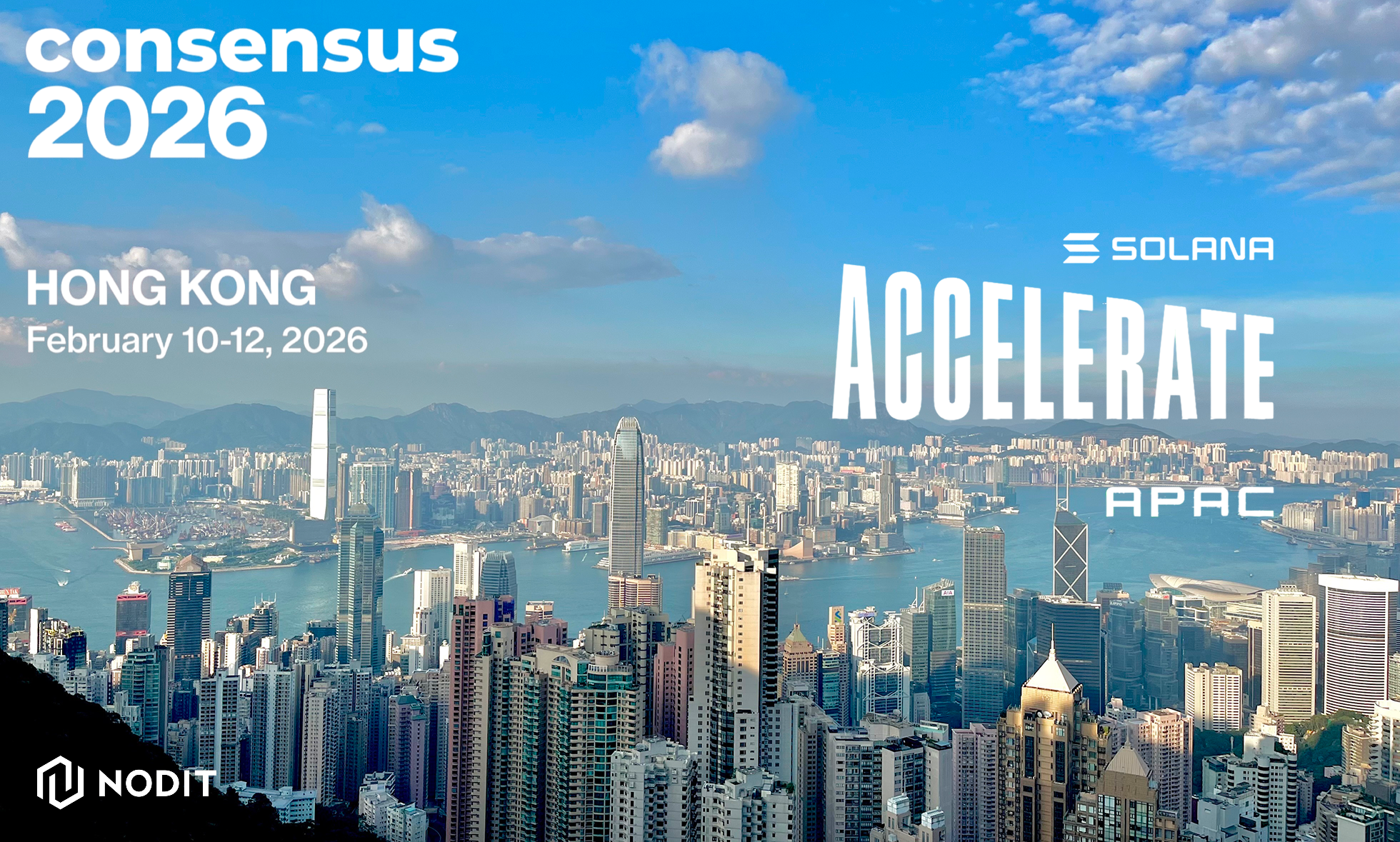
Consensus HK this year centered around several dominant macro themes: RWA (including on-chain ETFs and tokenized securities), digital payments, and AI × Web3. The broader signal was clear — Hong Kong’s regulatory clarity, increasing institutional participation, and accelerating AI-Web3 convergence are reinforcing its position as a leading hub for digital asset development in Asia.
A particularly notable development is the growing focus on execution infrastructure for 24/7 digital capital markets — enabling trading, lending, borrowing, and settlement directly on-chain, without reliance on traditional intermediaries.
However, what stood out more distinctly for us was Solana Accelerate APAC.
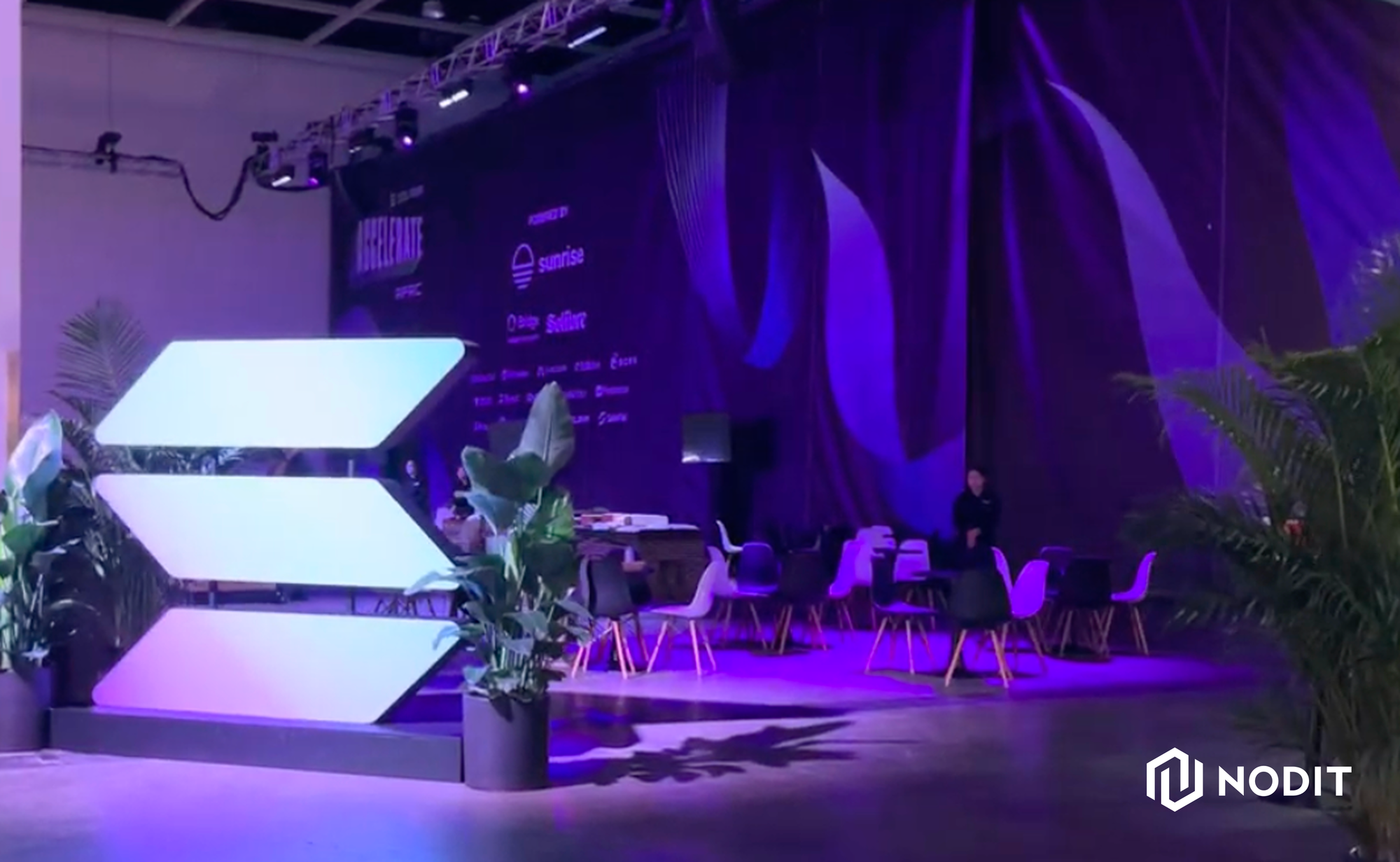
While Consensus captured the industry’s breadth, Solana Accelerate centered on structural depth — specifically how infrastructure design, capital efficiency, and execution reliability will define the next stage of blockchain adoption.
The event carried a clearly institutional tone. Keynotes and panels featured representatives from Mirae Asset, ChinaAMC, CME Group, Cumberland, DB Securities and other established financial institutions discussing how digital rails can support asset issuance, trading, financing, and settlement in a fully online environment. Most notably, Solana is positioning itself as a high-performance execution layer for what can be described as internet-native capital markets in Asia — systems designed to operate continuously, globally, and programmatically.
This recap highlights the key narratives that emerged across multiple sessions.
From Application Growth to Financial Networks
Several discussions reflected a broader shift in mindset. Earlier crypto cycles were largely driven by applications, with emphasis on launching new products, improving user experience, and attracting users.
At Solana Accelerate APAC, the emphasis moved beyond individual applications to the network layer itself — particularly the execution layer. The conversation centered on how blockchains function as settlement infrastructure, asset coordination systems, and programmable market rails.
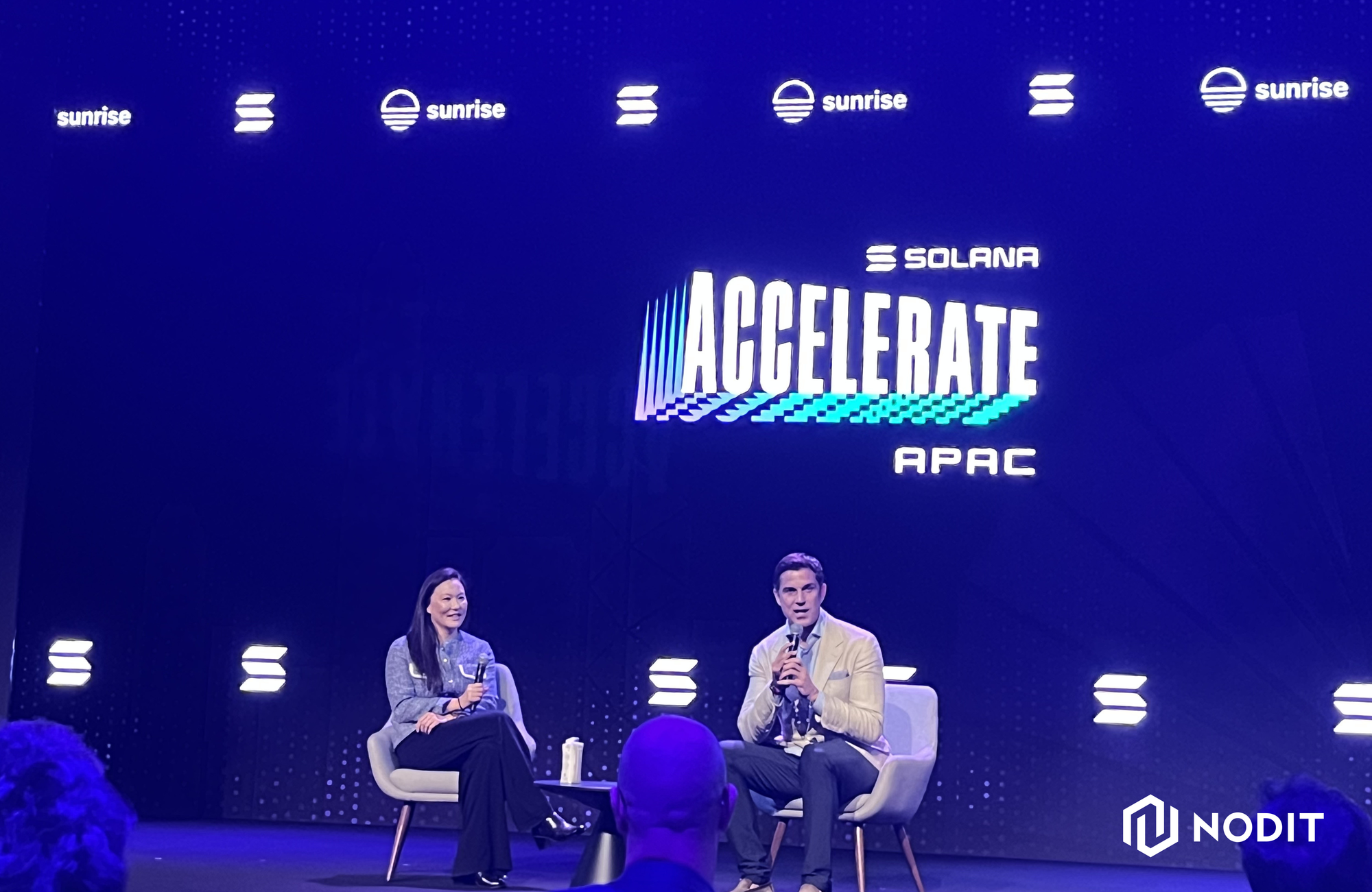
As Lily Liu, President of the Solana Foundation, noted, blockchains are increasingly framed not simply as platforms for building applications, but as foundational layers for capital formation and asset movement. The distinction between “product” as software and “product” as a financial instrument captures this transition.
The implication is significant: the next phase of growth will not be defined by isolated dApps, but by cohesive financial networks capable of supporting diverse assets, capital flows, and high-frequency activity at scale. As blockchain infrastructure begins to mirror elements of traditional capital market architecture, it naturally aligns more closely with the standards and operational expectations of large financial institutions.
This reframing signals a deeper convergence between on chain systems and established market infrastructure, lowering barriers for institutional participation and enabling more sustained capital deployment.
RWA & Tokenization: Infrastructure Over Narrative
Tokenization, particularly in relation to equities and exchange integration, was a recurring theme throughout the conference.
The tone was pragmatic and operational. Conversations around continuous trading of tokenized equities, exchange connectivity, and institutional collaboration were framed around implementation rather than speculation. Traditional financial institutions are no longer simply observing blockchain markets. They are actively assessing integration models and infrastructure requirements.
At the same time, there was clear realism in the discussions. Tokenizing real world assets does not automatically generate liquidity. Illiquid assets remain structurally complex. Market depth, distribution channels, and sustained participation remain essential components of functioning capital markets.
This reflects a maturing RWA narrative within the Solana ecosystem. The emphasis is shifting away from excitement and toward execution capability, infrastructure robustness, and long term viability.
DeFi & Capital Efficiency: Toward Integrated Markets
The DeFi panels highlighted a growing focus on capital efficiency.
Multi-asset collateral frameworks are evolving, and there is momentum toward integrating tokenized equities, RWAs, and potentially other asset classes into collateral systems. If realized, this expands DeFi from isolated protocols into programmable capital markets infrastructure.
But such integration raises infrastructure expectations:
- Faster and consistent liquidation handling
- Predictable block space behavior
- Low-latency execution under sustained load
As AI-driven trading systems and automated strategies increase transaction velocity, networks will be evaluated under stress — not in ideal conditions.
Across RWA, crypto payments, and AI × Web3, the recurring theme was infrastructure maturity.
As institutional participation in on-chain derivatives and the expansion of hybrid financial instruments further reinforce this trajectory. As these markets grow, the reliability of the underlying Solana infrastructure becomes central to their sustainability.
ICM Infrastructure Panel: Execution Quality & the Physical Layer
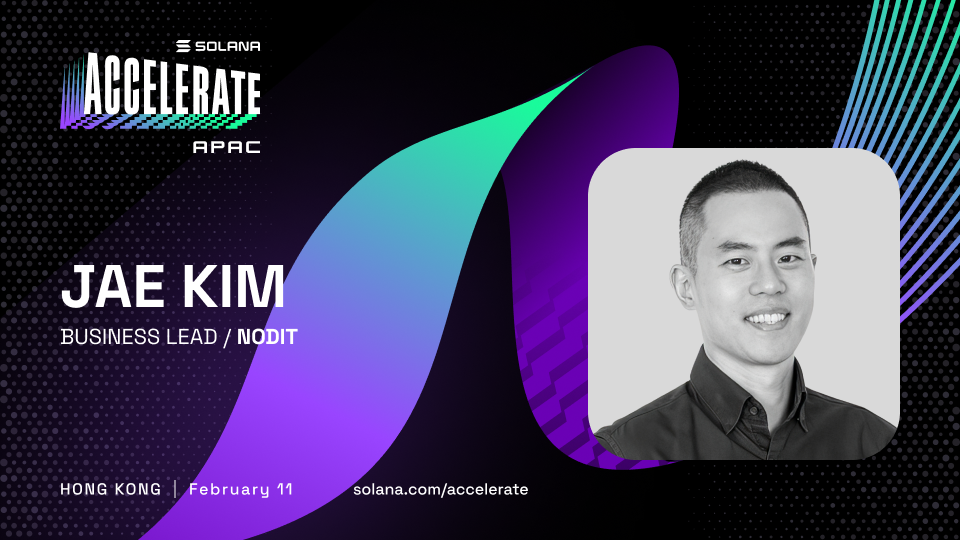
At the ICM Infrastructure session during Solana Accelerate APAC, our Business Lead, Jae Kim joined representatives from Arcium, Raiku, and DoubleZero to discuss the future of institutional-grade Solana infrastructure in Asia.
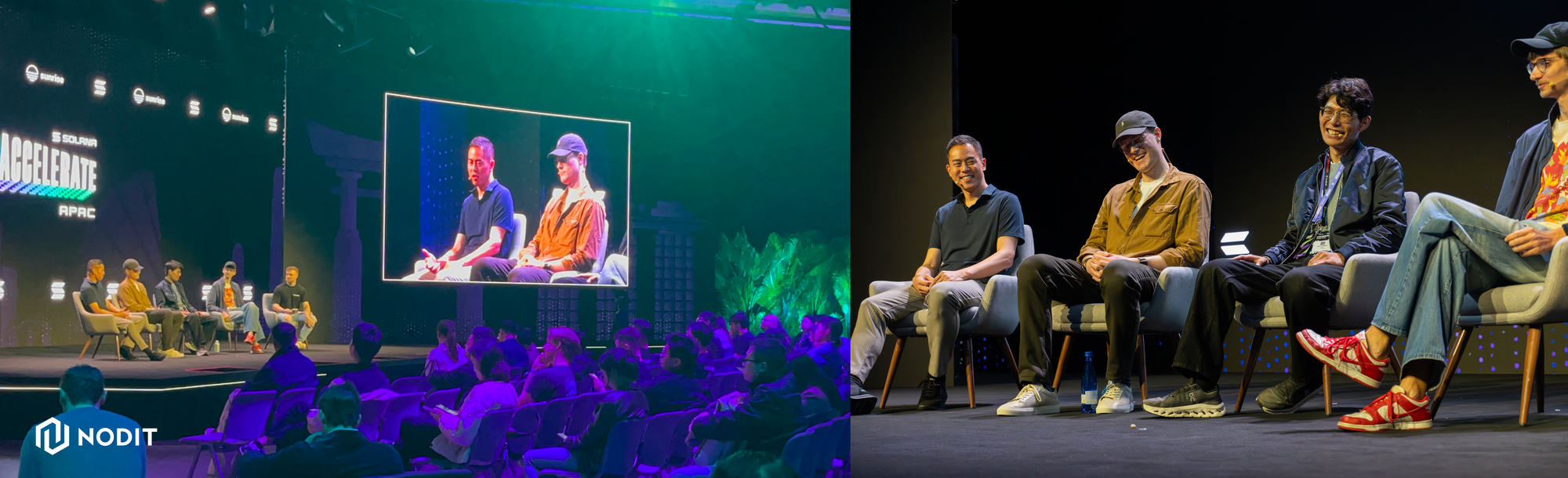
The discussion focused on execution quality at both the protocol and physical networking layers.
In traditional financial markets, co-location, network peering, and latency management are fundamental components of market structure. Institutions operate in environments where controllable variables are tightly optimized. As institutional capital scales on-chain, comparable execution guarantees are becoming increasingly critical.
A key takeaway from the panel was that validator client improvements alone will not define the next phase of performance. Rather, execution quality depends on close coordination across multiple layers:
- Protocol engineering
- RPC and data access infrastructure
- Physical transport and networking layers
From Nodit’s perspective, Jae highlighted three key areas:
- Institutional-Grade Security for ICM
As a SOC 2 Type II–certified Web3 infrastructure provider, Nodit offers independently audited security and enterprise-level reliability, supporting institutions building tokenized assets and payment solutions on Solana. - High-Performance Infrastructure with DoubleZero
Nodit’s Solana RPC infrastructure is integrated with DoubleZero to optimize network performance, reduce latency, and deliver more consistent execution quality. - Bridging Solana Infrastructure with Real-World Payment Rails
Through a recently signed MOU with KSNet, Nodit is piloting USDC-based stablecoin payment infrastructure on Solana
This is precisely where the integration between Nodit and DoubleZero becomes meaningful — aligning protocol-level innovation with physical-layer performance to meet institutional standards for execution quality.
Technical Integration Announcement: Nodit × DoubleZero
During Solana Accelerate APAC, Nodit officially announced our technical integration with DoubleZero — becoming the first APAC integrator on the DoubleZero Network.
Under this integration:
- Nodit operates Solana RPC nodes on the DoubleZero Network
- DoubleZero provides the dedicated fiber transport layer for low-latency RPC traffic
- Nodit continues to manage the RPC and data access infrastructure
By routing RPC traffic over dedicated fiber paths, shorter and more controlled data routes are established. This improves block synchronization consistency under sustained load and reduces variability during congestion events.
The primary benefit is not peak throughput gains, but more predictable RPC behavior — particularly when the network is under stress. As DeFi activity, tokenization, and AI-driven trading increase transaction velocity on Solana, execution consistency and reliability become critical for institutional participants, exchanges, wallets, and high-frequency trading systems.
By becoming the first APAC integrator on the DoubleZero Network, Nodit reinforces its position as an APAC-based institutional Solana infrastructure provider, strengthening reliability at the transport and networking layers — not just at the application layer.
Learn further:
 Nodit Team
What This Signals for Institutions, Wallets & DEX Operators After the Consensus and Solana Accelerate APAC?
Across multiple panels, the conversation kept returning to the same practical questions:
How do stablecoins operate reliably at scale?
How do you onboard institutions without compromising compliance?
What metrics actually matter when presenting on-chain rails to asset managers and banks?
How do you make wallets feel production-ready rather than experimental?
How do you build tokenization infrastructure that withstands a regulator’s first serious audit?
These are not speculative questions. They are operational ones.Infrastructure is no longer judged by peak performance metrics. It is judged by predictability under sustained demand. As RWA, stablecoin payments, and AI × Web3 increase transaction velocity and market complexity, infrastructure weaknesses surface during congestion — not during ideal benchmarks.
For large operators, this is no longer a matter of performance optimization. It is a matter of operational risk exposure. Institutional participants and licensed exchanges do not adopt infrastructure based on peak TPS or benchmark marketing claims. They evaluate whether systems can withstand regulatory scrutiny, sustain performance under stress, and remain auditable under formal review. It is because their concerns center on availability, latency stability, observability, auditability, governance structure, and business continuity.
Before deploying any blockchain infrastructure into production environments, they require clarity on control frameworks, access discipline, documented procedures, third party validation, and incident response accountability.
In regulated environments, infrastructure is not judged by how fast it performs under ideal conditions. It is judged by how predictably it behaves when markets are volatile, traffic spikes, and auditors request documentation.
This is the threshold that determines whether blockchain systems can function as credible financial infrastructure rather than experimental technology.
Institutional Infrastructure Considerations and Operational Alignment
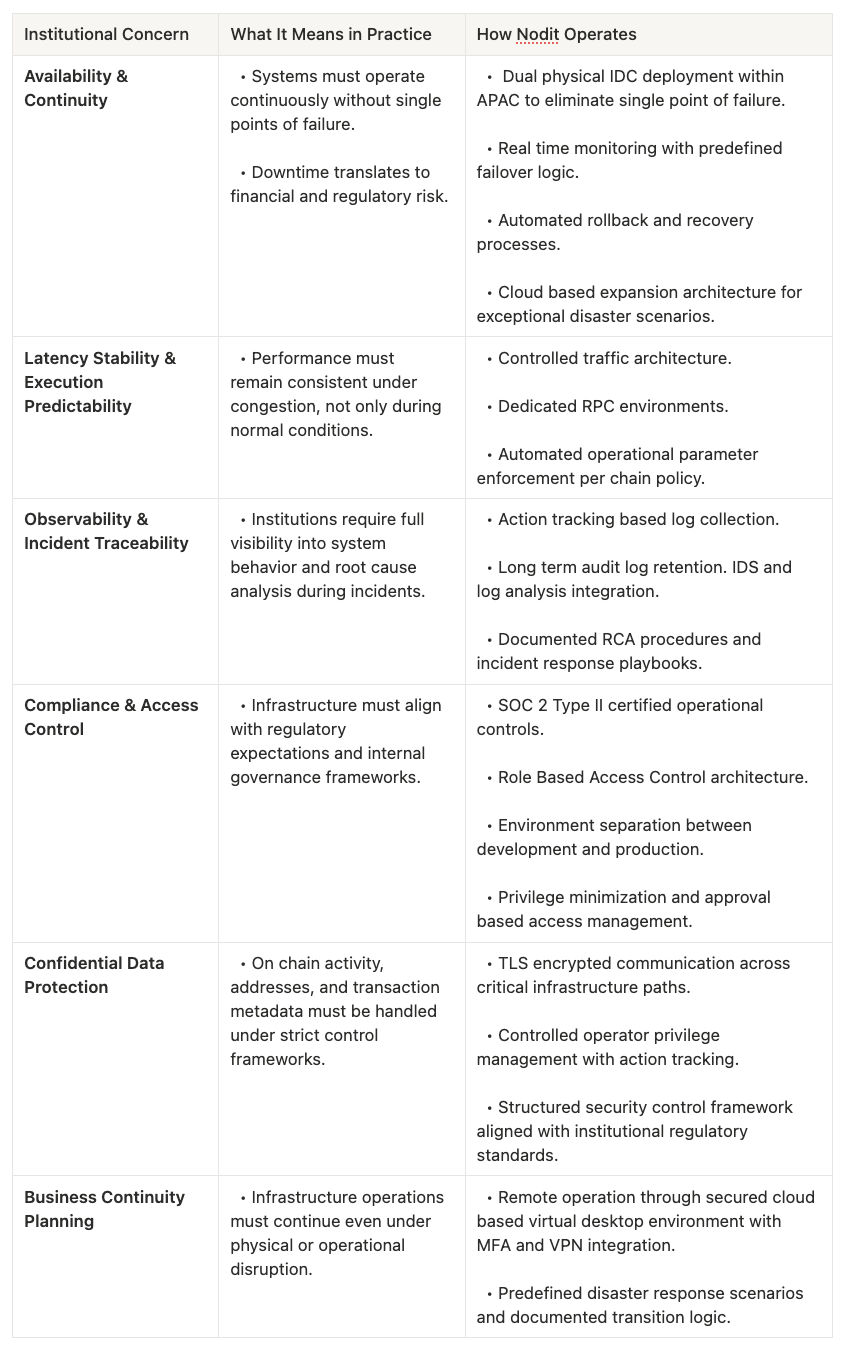
If stablecoins are to scale, if tokenization is to withstand regulatory scrutiny, if wallets are to support millions of users, and if institutions are to deploy capital with confidence, the underlying infrastructure must be engineered for resilience.
Real Web3 infrastructure is not just defined by speed alone. It is defined by the ability to deliver speed with stability, traceability, and structured governance. Performance without reliability creates operational exposure. Throughput without control introduces compliance risk.
Nodit supports large scale production environments within one of top tier and most active digital asset markets, including infrastructure serving the ecosystem surrounding Upbit. In this environment, daily trading volumes reach multi trillion KRW levels, with average daily request volumes exceeding one hundred million. Under these real market conditions, response latency is maintained at millisecond precision, emphasizing sustained consistency rather than isolated peak performance.
💡See how Nodit supports Upbit:
 Nodit Team
Infrastructure at this scale is not theoretical capacity. It is operational reality. For institutional and enterprise infrastructure discussions, Nodit provides deployment models aligned with resilience, governance, and regulatory expectations.

Ecosystem Engagement Beyond the Panels
Alongside the formal sessions, we co-hosted a private infrastructure-focused gathering with DoubleZero and Shelby, bringing all Solana ecosystem builders, infrastructure operators, and institutional participants.
It was a great opportunity to connect in a more relaxed setting and continue conversations beyond the main stage.
For a glimpse into the atmosphere and energy of the evening, watch our video recap.
The Next Phase of Solana’s Market Infrastructure
Solana Accelerate APAC 2026 highlighted a structural shift within the Solana ecosystem.
While industry narratives remain centered on RWA, crypto payments, and AI × Web3, the deeper signal was clear: execution architecture and infrastructure reliability are becoming central to long-term competitiveness. As blockchain adoption matures, performance under sustained demand, rather than theoretical throughput, will determine which networks and operators scale successfully.
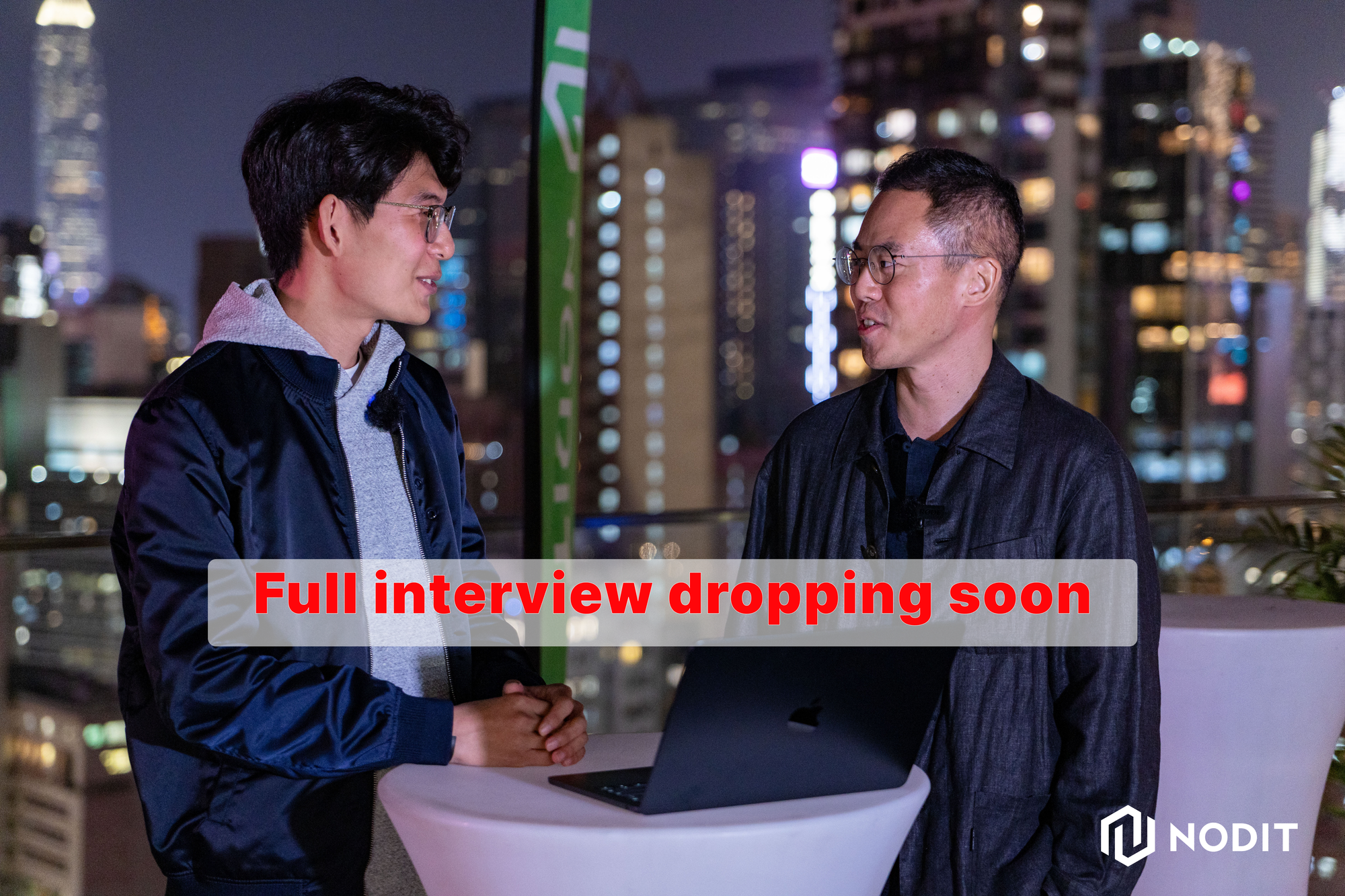
Our upcoming in depth interview with DoubleZero will further explore transport layer architecture and execution environments within Solana.
More Solana ecosystem updates to follow.
🔎About Nodit
Nodit is an enterprise-grade Web3 platform that provides reliable node and consistent data infrastructure to support the scaling of decentralized applications in a multi chain environment. The core technology of Nodit is a robust data pipeline that performs the crawling, indexing, storing, and processing of blockchain data, along with a dependable node operation service. Through its new Validator as a Service (VaaS) offering, Nodit delivers secure, transparent, and compliant validator operations that ensure stability, performance visibility, and regulatory assurance.
By utilizing processed blockchain data, developers and enterprises can achieve seamless on chain and off chain integration, advanced analytics, comprehensive visualization, and artificial intelligence modeling to build outstanding Web3 products.